
Practical guides · questions
Should You Use Chemical Drain Cleaner on a Slow Drain?
Chemical cleaner is not a diagnosis for a slow drain. Learn the label limits, safer initial checks and essential information to share if you have already used a product.
What you’ll learn
- A slow drain does not identify the blockage or establish that chemical treatment is appropriate.
- Never mix drain cleaners with other cleaners or household remedies.
- Once chemicals are added, avoid plunging or opening the drain yourself; disclose the treatment before professional work.
- Follow the exact product label, and avoid chemical drain openers on septic systems.
- Recurring drainage trouble calls for assessment rather than repeated dosing.
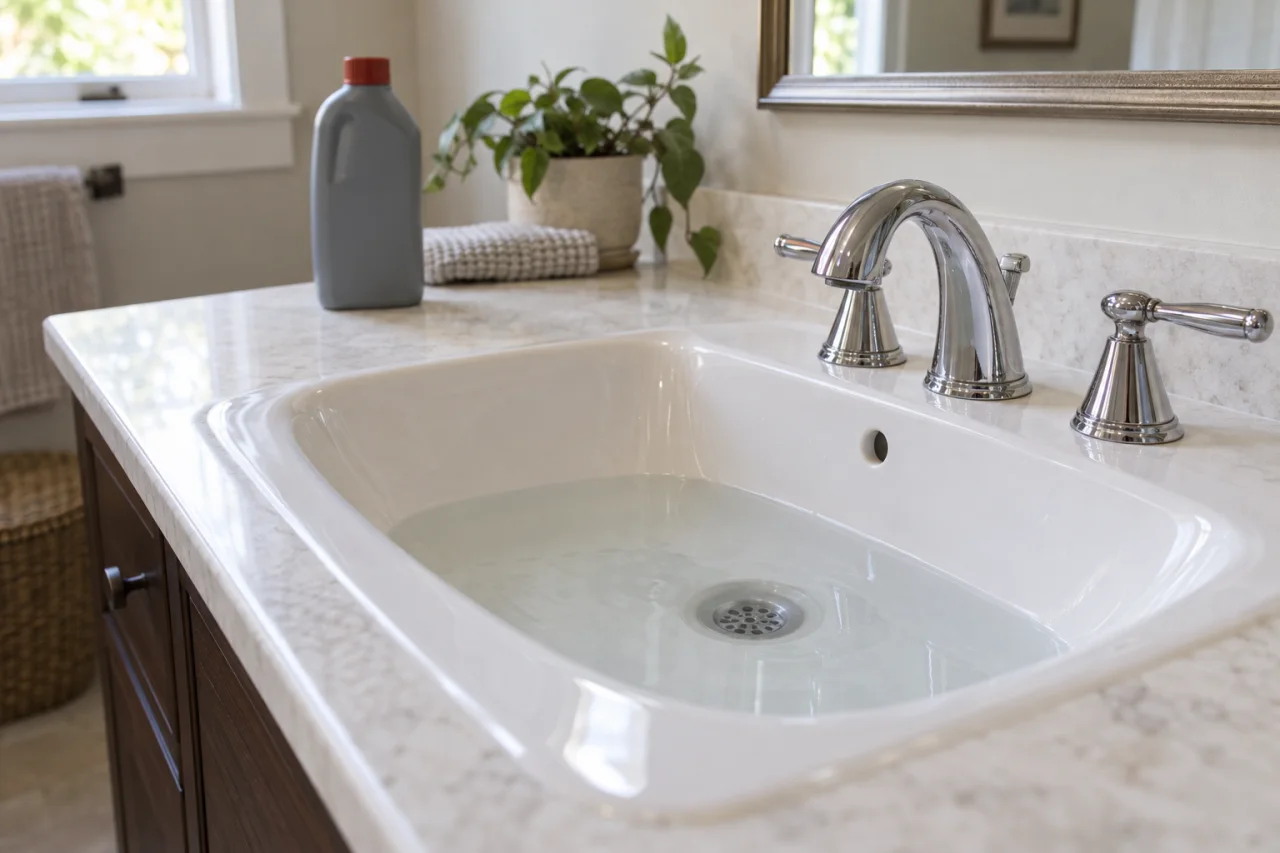
A slow sink or shower makes a pour-in cleaner tempting. The useful question is not simply whether it might work, but whether it fits this fixture, this blockage and anything already in the drain. Some products can dissolve organic buildup, yet they also introduce exposure hazards and limits on what you can safely try next. Before reaching for a bottle—or adding a second dose—consider the drainage pattern, the exact label and whether anyone will need to work on the line.
Start with the symptom, not the bottle
Chemical drain cleaner can be appropriate for some label-approved organic clogs, but a slow drain alone does not establish that it is the right treatment. Hair, soap residue and grease are different problems from an object lodged in a drain or a defect in the piping.
First consider the pattern: Is only one fixture slow? Has this happened before? Is water backing up somewhere else? Observe what is already happening rather than running more water to test a backing-up system.
If several fixtures are affected, sewage appears or water is rising toward an overflow, stop using the affected fixtures and seek plumbing help. Review plumbing emergency warning signs if you are unsure how urgently to act. An active backup is not a reason to experiment with additional products.
The immediate concern is chemical exposure
Drain-cleaner formulations differ. Many non-enzymatic products contain strong acids or alkalis that can cause serious chemical burns. Some generate heat. Splashback from a blocked drain can bring that material back toward your face, hands or clothing.
Never combine different drain cleaners or add bleach, toilet cleaner, vinegar or another household cleaner to a treated drain. A second product can react with residue even when the first pour happened earlier. Natural ingredients are not automatically safe to mix with commercial chemicals.
Do not lean over a treated drain to inspect or smell it. Keep children and pets away. If a product fails, adding something stronger is not a safe troubleshooting step; stop and seek advice instead.
Read the whole label, including its limits
The directions on one bottle do not apply to another product, even from the same brand. A pipe-compatibility statement is also not a diagnosis of your existing plumbing.
For example, Drano Max Gel excludes toilets and warns against plunging during or after use. Its directions specify hot, not boiling, flushing water. Those limits matter as much as the claim that a product clears clogs.
Products marketed for buildup prevention also differ from products intended to open a blockage. Neither category should be treated as a way to repair damaged piping. Use this checklist before considering any chemical treatment.
- Confirm that the exact product permits use in this fixture and with the known piping materials.
- Check restrictions involving standing water, toilets, garbage disposals and septic systems.
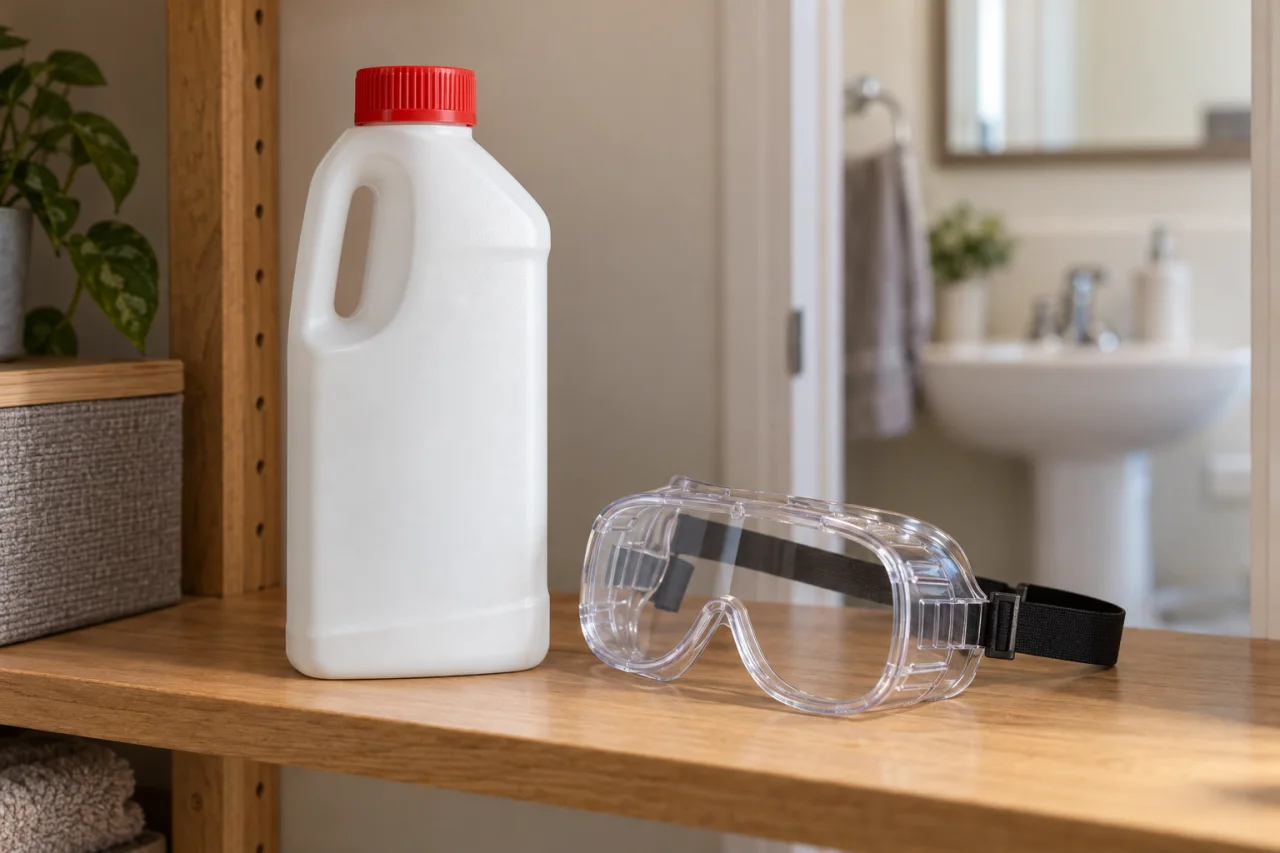
- Follow the specified amount, contact time, flushing directions and protective-equipment requirements.
- Read what to do if the drain remains blocked; do not invent a longer soak or a stronger mixture.
- If the label is missing or unclear, do not guess. Contact the manufacturer or choose professional assessment.
Try accessible checks only before chemicals
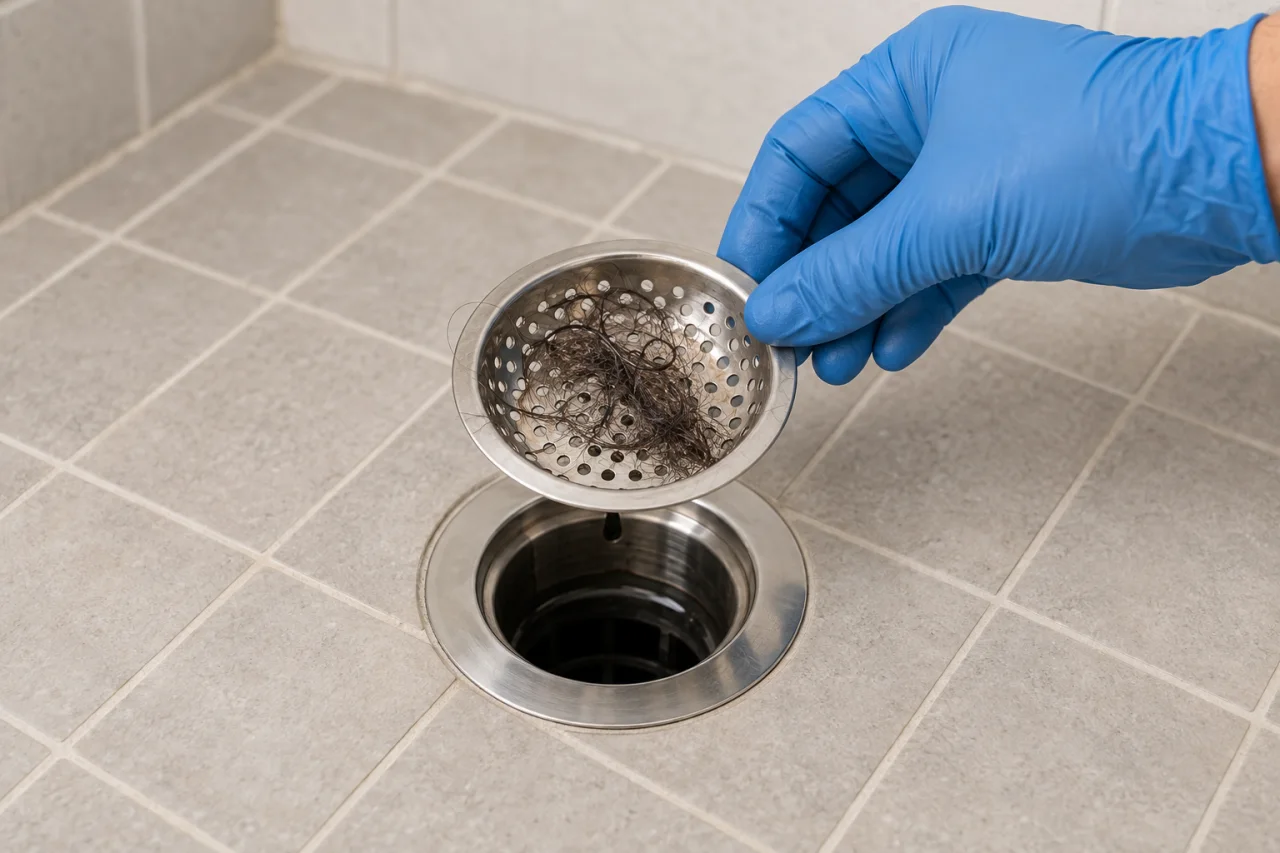
If no chemicals have been added, an accessible hair catcher or strainer is a sensible place to start. Following the fixture instructions, remove only components designed for easy removal and clear visible hair or debris. Avoid forcing tools or dismantling unfamiliar connections.
For an isolated, chemical-free sink or shower blockage, an appropriate cup plunger may be worth trying. Stop if a brief attempt does not improve drainage. Mechanical methods have limits too; pushing harder does not establish where the obstruction is or whether the piping can tolerate the attempt.
Do not use boiling water as a universal remedy, particularly when pipe materials are uncertain. Most importantly, once chemicals have been introduced, this initial-check advice no longer applies: avoid plunging, snaking or opening the trap yourself.
Septic systems change the decision
If your home uses septic treatment, there is another reason to avoid reaching for a chemical opener. The system depends on living organisms to digest and treat household waste, and harmful chemicals can interfere with that work.
Some manufacturers describe particular products as septic-safe when used as directed. EPA nevertheless advises homeowners to avoid chemical drain openers for clogged drains. Product compatibility and a recommended maintenance strategy are different questions; a compatibility claim is not a reason to make repeated dosing a habit.
If you are unsure whether the property uses sewer or septic service, check property records or ask the relevant local authority. For ongoing care, keep cooking grease out of sinks and clean hair catchers regularly rather than relying on chemicals to compensate for accumulated debris.
Already used cleaner? Make the handoff explicit
Tell the plumber about chemicals when requesting service, then repeat the information before work begins. This is useful safety information, not something to be embarrassed about. Water remaining in the fixture or trap may contain cleaner even if the surface looks ordinary.
Do not add another product, attempt household neutralization or dismantle the trap to empty it. Keep others from using the fixture while you obtain product-specific guidance. If a disposal drain remains blocked after treatment, do not switch on the disposal; it can splash retained cleaner.
This checklist helps make the handoff clear without requiring you to identify the chemistry yourself.
- Name the fixture and describe the original drainage problem.
- Identify the exact product; keep the original container or a clear label photograph available.
- Give the approximate amount, time added and whether you repeated the treatment.
- List every other substance added, including bleach, vinegar or toilet cleaner.
- Explain whether you flushed with water, plunged, used a tool or operated the disposal afterward.
- Mention remaining standing water, unusual heat, fumes and any exposure.
Recurring trouble deserves a different question
A drain that flows better after treatment has shown an improvement in drainage—not proof that every contributing problem is resolved. If the symptom returns, note how soon it recurs, which fixtures are involved and whether another fixture's use triggers a backup.
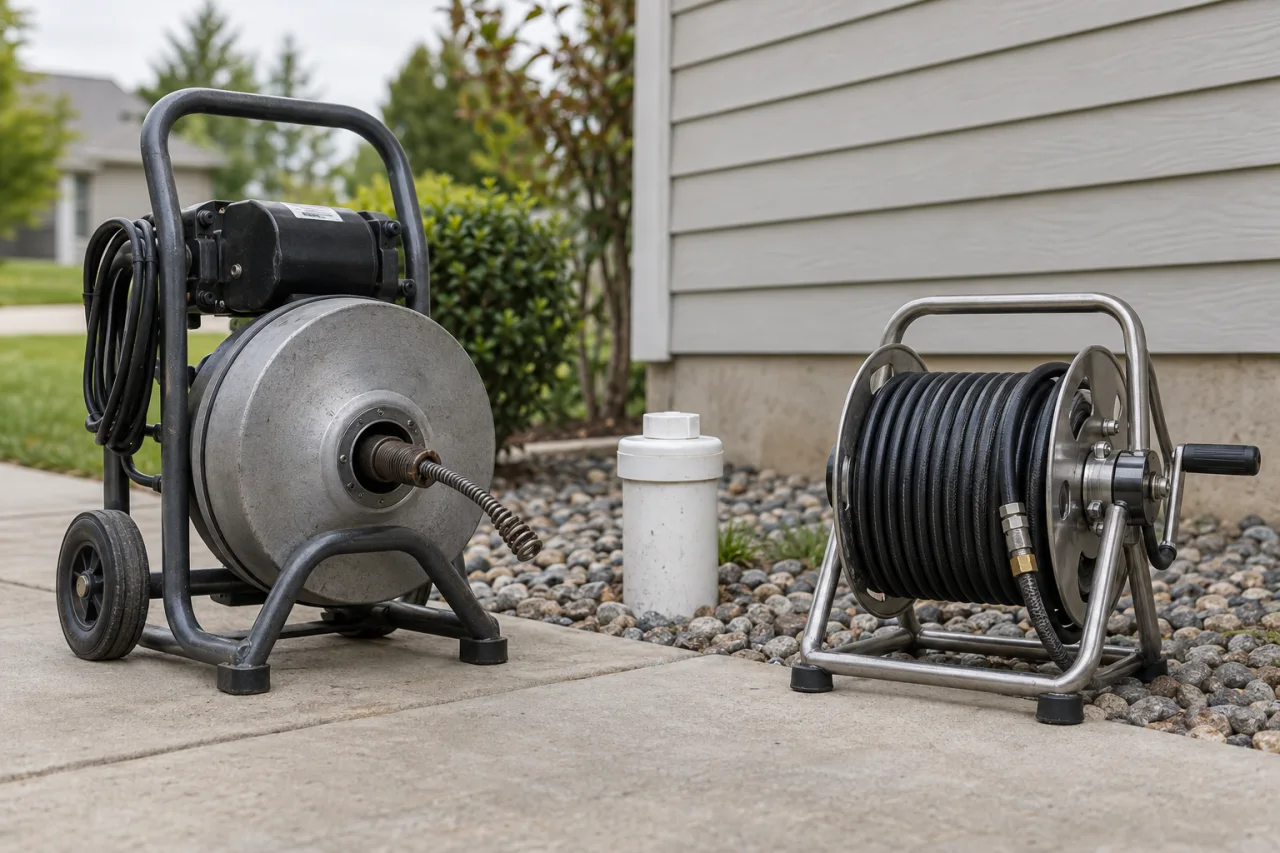
Ask what the proposed work is intended to accomplish: remove a localized obstruction, address accumulated buildup or investigate why the problem keeps returning. Our guide to drain snaking versus high pressure cleaning explains the questions behind choosing a method. Neither approach should be selected solely because it sounds more powerful.
Before authorizing service, ask about access needs, equipment, chemical precautions and what is included in the proposed scope. For budgeting questions, read what determines the cost of drain cleaning.
The Plumbing Knight provides Drain Cleaning for homes and businesses in West End and Moore County. When requesting help, lead with the symptoms and any chemicals already added.
If a splash or exposure happens
Chemical exposure needs poison guidance, not a plumbing appointment. For exposure in the United States, call Poison Control at 1-800-222-1222. If someone has difficulty breathing, call 911 first.
For cleaner on skin, remove contaminated clothing and rinse with lukewarm running water for 15 minutes without scrubbing. For an eye splash, begin rinsing with lukewarm water for 15 minutes; have someone call Poison Control while rinsing. After inhaling fumes, move to fresh air without re-entering an unsafe area. If cleaner was swallowed, do not induce vomiting; call immediately for instructions.
For future storage, keep cleaners tightly closed in their original containers, locked away from children and pets. Never transfer them into drinking bottles. Preventing an accidental exposure matters even when the drain problem itself seems minor.
Questions & answers
Can I plunge the drain after using chemical cleaner?
Do not plunge a drain that may contain cleaner. Splashback can expose your skin and eyes. Drano Max Gel specifically warns against plunging during or after use because product may remain when the drain has not cleared. Tell the plumber before any tools are used.
Will one use definitely damage my pipes?
Damage is not inevitable, but compatibility depends on the exact product and its directions. Some manufacturers approve particular formulations for metal and plastic piping. That does not establish the condition of your pipes or make every drain cleaner interchangeable. If materials or pipe condition are uncertain, ask before using it.
Can baking soda and vinegar clear the blockage instead?
The fizz is not proof that a clog has cleared. Poison Control explains that gas can escape through the drain and the mixture is unlikely to dissolve tough grease clogs. Never add this mixture to a drain containing another cleaner.
Is a septic-safe cleaner a good routine maintenance choice?
A product compatibility claim is different from a maintenance recommendation. EPA advises avoiding chemical drain openers for clogged drains on septic systems. Catch hair, keep grease out of drains and address recurring slow drainage rather than relying on repeated chemical treatment.
What if I do not remember which cleaner I used?
Tell the plumber that the product is unknown rather than guessing. Share any available container, purchase information, approximate amount and timing, and mention every other cleaner added. Until you receive guidance, avoid additional chemicals and do not disturb potentially treated water.
Sources & further reading
- Poison Control: What’s in drain cleaner and what happens if you drink it?
Supports the discussion of acidic and alkaline drain cleaners, heat generation, corrosive injury and the limitations of baking soda mixed with vinegar for tough clogs. ([poison.org](https://www.poison.org/articles/whats-in-drain-cleaner))
- London Fire Brigade: Cleaning products
Supports avoiding mixtures of drain cleaners, bleach and other cleaners, including vinegar; advises contacting a plumber rather than adding another product after failure. ([london-fire.gov.uk](https://www.london-fire.gov.uk/safety/the-home/dangerous-chemicals/cleaning-products/))
- Drano: Max Gel Clog Remover directions and precautions
Supports the specific Max Gel restrictions on toilet use, plunging and operating a disposal after an unsuccessful treatment, plus hot-not-boiling flushing instructions and mixing warnings. ([drano.com](https://drano.com/en-us/products/clogs/max-gel-clog-remover))
- Drano: Frequently Asked Questions
Supports distinctions between clog removers and slower buildup-prevention products, product-specific pipe compatibility claims and differing fixture restrictions. Manufacturer claims are not presented as independent assessments of existing plumbing. ([drano.com](https://drano.com/en-us/faq))
- Oatey: How to Unclog a Shower Drain
Supports accessible debris removal and mechanical methods before chemical treatment, limits of DIY clearing, consultation when pipe condition is uncertain, warning signs involving multiple drains and hair-catcher maintenance. ([oatey.com](https://www.oatey.com/faqs-blog-videos-case-studies/blog/how-unclog-shower-drain))
- US EPA: How to Care for Your Septic System
Supports avoiding chemical drain openers on septic systems, protecting waste-treating organisms and keeping cooking grease out of drains. ([epa.gov](https://www.epa.gov/septic/how-care-your-septic-system))
- US EPA: Frequent Questions on Septic Systems
Supports checking property records or consulting the local permitting authority to establish whether a property has septic treatment, along with cautions about harmful chemicals entering septic systems. ([epa.gov](https://www.epa.gov/septic/frequent-questions-septic-systems))
- Washington Poison Center: Drain Cleaner
Supports immediate Poison Control contact, calling 911 for breathing difficulty, not inducing vomiting, moving to fresh air and 15-minute lukewarm-water rinsing for skin or eye exposure. ([wapc.org](https://www.wapc.org/what-to-do-for/drain-cleaner/))
Prepared and automatically checked on . Conditions, costs and requirements can change. Ask about the details that apply to your situation.
Continue reading
Helpful next reads
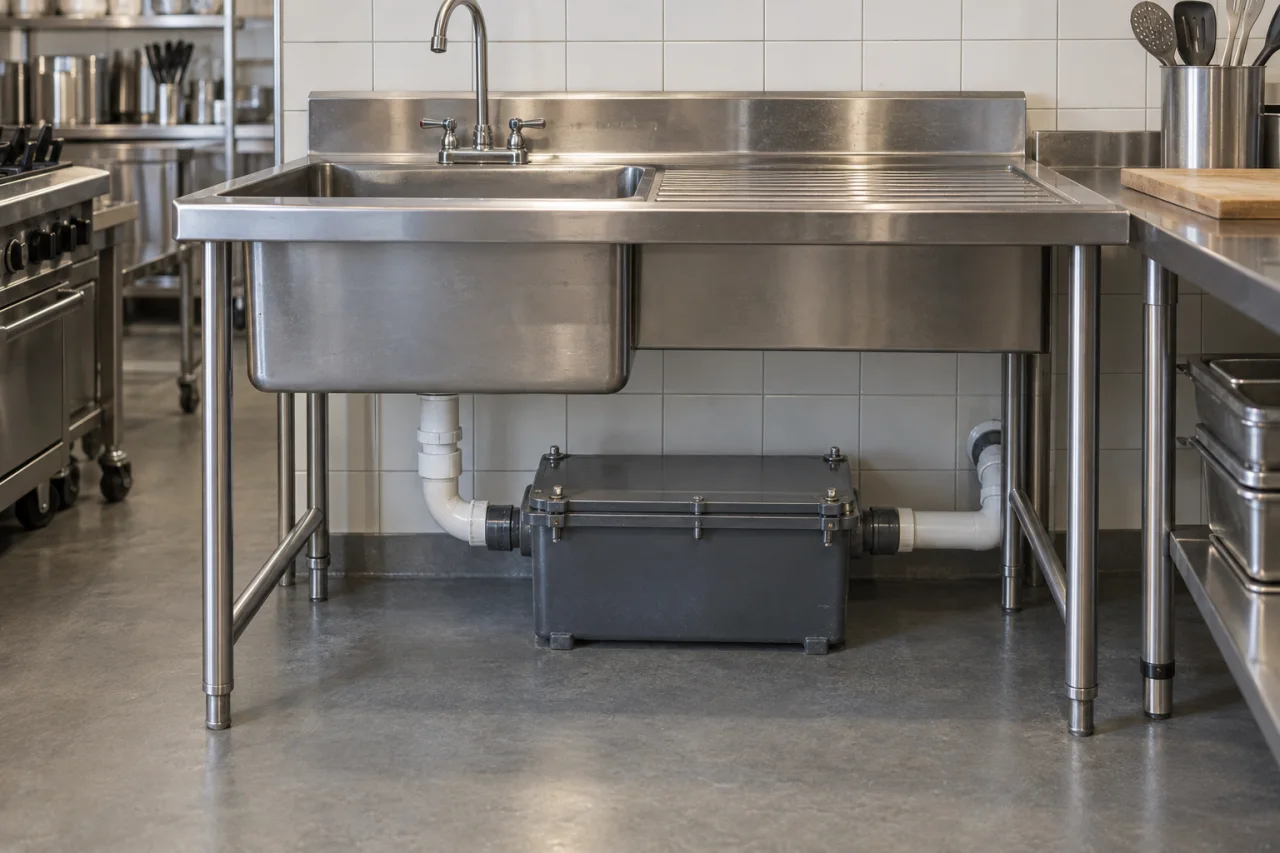
Grease Trap and Interceptor Maintenance for Food-Service Properties
A practical grease-control plan connects kitchen habits, equipment instructions, utility requirements and useful records—before slow drainage becomes a backup.
What Determines the Cost of Drain Cleaning?
Two clogged drains can require very different work. Learn how location, access, equipment and recurring symptoms shape the scope—and which questions make estimates easier to compare.
Drain Snaking vs. High Pressure Drain Cleaning: Which Fits the Problem?
A drain that flows again is not necessarily fully cleaned. Compare cable cleaning, cutting attachments, and water jetting—and learn why pipe condition matters more than pressure alone.