Practical guides · cost
What Determines the Cost of Drain Cleaning?
Two clogged drains can require very different work. Learn how location, access, equipment and recurring symptoms shape the scope—and which questions make estimates easier to compare.
What you’ll learn
- One slow fixture and several interacting drains suggest different starting points, but symptoms are not a diagnosis.
- Cleanout access, pipe size and the route to the blockage can change the equipment and preparation required.
- Cable cleaning, water jetting and camera inspection have different purposes and limitations.
- Compare estimates by their scope, inclusions and approval requirements—not the total alone.
- Repeated blockages warrant questions about the cause; cleaning cannot repair structural damage.
A slow bathroom sink and a sewer backup can both begin with water that will not drain, but they are not equivalent jobs. The cost depends on where the obstruction sits, how it can be reached, which equipment fits and whether investigation is needed beyond restoring flow. For West End and Moore County property owners comparing Drain Cleaning options, the most useful starting point is not a standard price. It is a clear explanation of the work being proposed.
1. Start with the pattern, not just the clogged fixture
The first useful distinction is between a fixture-specific problem and an obstruction farther along a shared drainage path. A bathroom sink that drains slowly while nearby fixtures behave normally suggests a local restriction. It does not prove the blockage is in the trap.
Water appearing in a shower when a toilet flushes, or a floor drain backing up when the washing machine empties, points toward a shared downstream restriction. A building's main drain or sewer lateral may need investigation. That is different from establishing that the public sewer main is blocked.
Before calling, note which fixtures are affected and whether using one changes another. Do not keep running water to reproduce a backup. If wastewater is rising, stop water use and keep people and pets away.
2. Access can change the work before cleaning begins
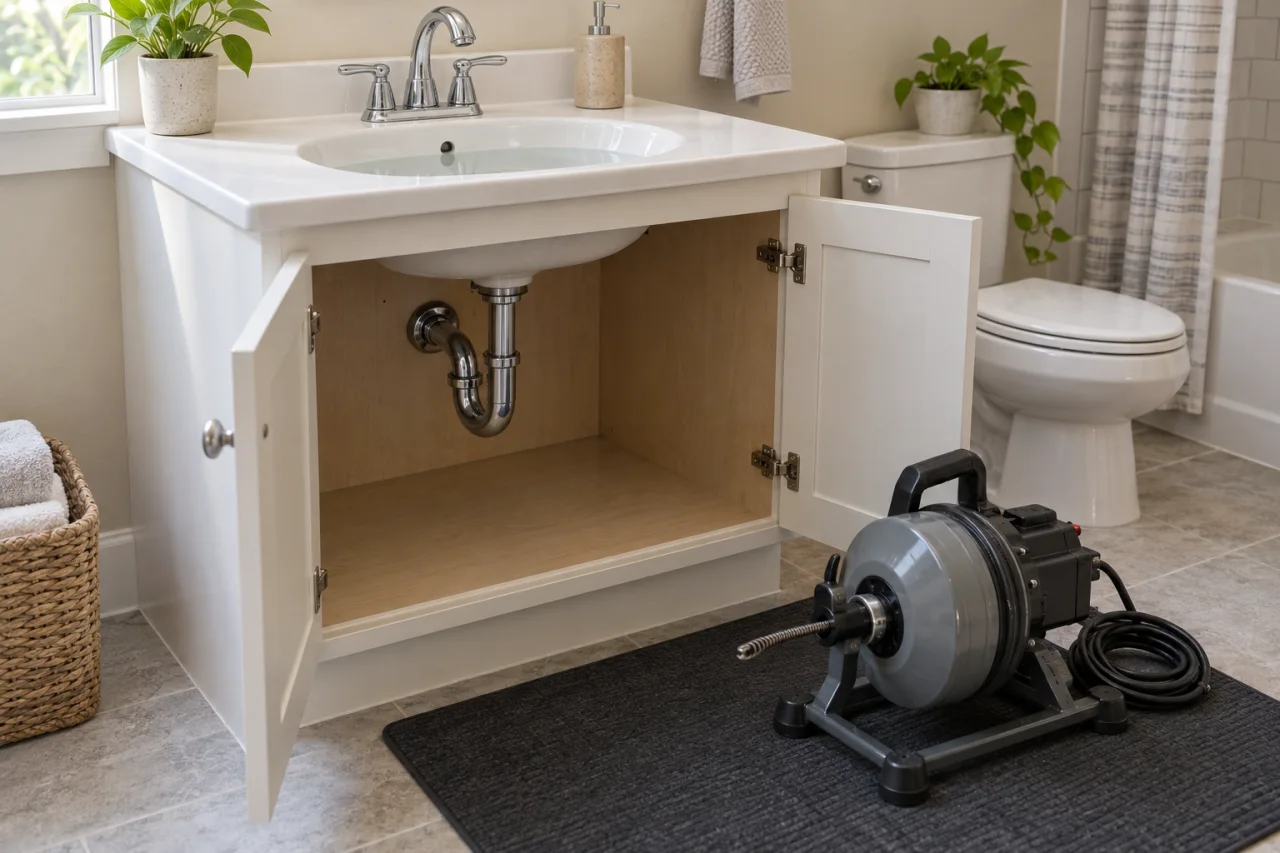
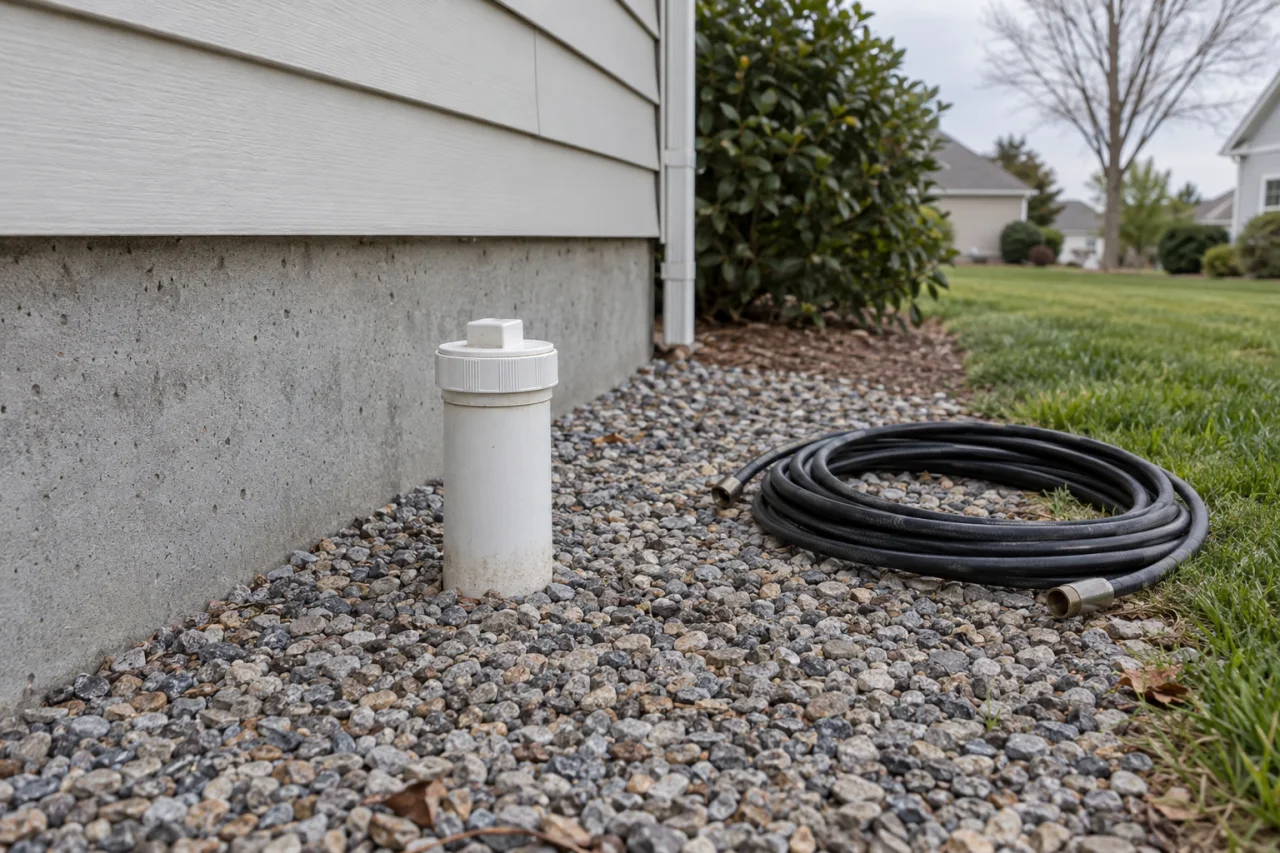
An accessible cleanout—a capped opening intended for servicing the drain—can offer a direct entry point. Without suitable access, reaching the line may involve removing a trap or fixture. Those are different scopes of work, even when the blockage itself is similar.
A useful estimate should identify the proposed entry point and any removal and reinstatement involved. Ask whether access work is included or separately authorized. If a cleanout cannot be found or used, ask what alternative is proposed before assuming the job remains unchanged.
Clear stored belongings from the affected cabinet or work area if you can do so safely. Show the plumber any known cleanout, but leave opening a backed-up line to the professional.
3. Pipe size and the route determine equipment needs
Drain-cleaning tools have application limits. A compact machine intended for small fixture drains is not interchangeable with equipment designed for larger lines. Pipe diameter matters, but so do the route, bends, distance to the obstruction and available entry point.
That is why the fixture name alone cannot define the job. Two kitchen sinks may have very different drainage routes and access conditions. Ask which section of pipe the proposed work covers and whether the equipment can reach the suspected obstruction from the chosen opening.
A larger machine is not automatically a better choice. The useful question is whether the cable, attachment or hose fits the actual pipe and blockage.
4. Compare the purpose of the proposed method
Equipment selection should follow the problem, not a rule that every clog needs the same treatment. Cable cleaning and water jetting serve different applications; a camera provides information rather than removing the obstruction.
The Plumbing Knight offers Drain Cleaning and High Pressure Drain Cleaning. When discussing either service, ask why the proposed method fits the suspected material and known pipe condition. For a fuller comparison, read about drain snaking versus high-pressure cleaning.
These options are not necessarily competing packages. Investigation may show that more than one step is useful, but additional work should have a clear purpose and an agreed scope.
Different tools answer different needs; suitability depends on the line and its condition.
| Method | Potential application | Important limitation |
|---|---|---|
| Cable cleaning | Working through an obstruction with equipment suited to the drain. | Machine capacity and access matter; cleaning does not establish structural condition. |
| Water jetting | Removing suitable grease, sludge and other deposits using water pressure and flow. | Requires appropriate access, water supply and equipment selection; it is not pipe repair. |
| Camera inspection | Examining visible internal conditions and investigating suspected defects. | Debris can hide defects; cleaning may be needed before useful inspection. |
5. Recurring symptoms may justify investigation, not just another clearing
A drain that blocks again soon after clearing deserves a different conversation from a first-time obstruction. Grease and debris may accumulate, roots may intrude, or a defect may contribute to repeated trouble. Recurrence alone does not identify which explanation applies.
Bring any previous invoice or inspection information and describe how long drainage improved. Ask whether the next step is intended to restore flow again, remove remaining deposits or investigate an underlying condition.
Cleaning and repair are different decisions. Removing an obstruction does not mend a crack, close an open joint or correct a displaced pipe. If repair is proposed, ask what evidence supports it and request a separate explanation of that scope rather than treating it as an automatic extension of drain cleaning.
6. Ask what an inspection would add
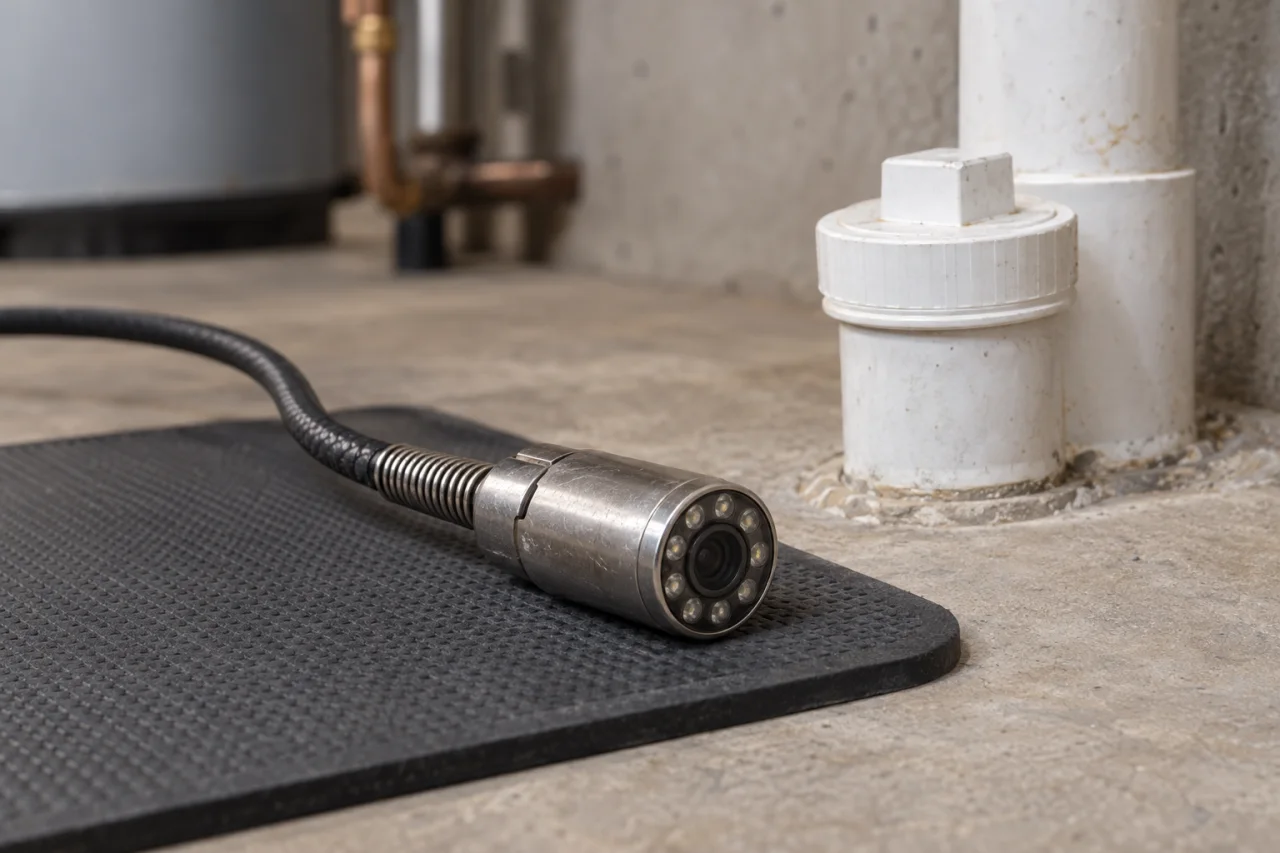
Inspection is most useful when it answers a specific question: Is there visible root intrusion? Does a joint appear displaced? Is a defect contributing to repeated blockage? Ask what the inspection is expected to resolve before authorizing it.
Visibility matters. Deposits can obscure the pipe wall and hide defects, so an obstructed line may need cleaning before a meaningful internal examination. An initial look and a clearer post-cleaning inspection can serve different purposes.
Ask whether any recommended camera work is included in the estimate, what portion of the line can be examined and whether findings will be provided for your records. Read what a sewer camera inspection can—and cannot—tell you before treating video as a complete assessment of the entire buried system.
7. Make the estimate specific enough to compare
Compare written scopes before comparing totals. One estimate may address a single fixture, while another includes access work or investigation farther downstream. A lower total is not necessarily a better value if it leaves out work you expected; a higher total should still have an understandable explanation.
Use the questions below to establish inclusions and boundaries. They are questions to ask, not assumptions about a standard package. In particular, distinguish clearing the pipe from cleaning and restoring rooms affected by wastewater.
- Which fixture, branch drain or sewer-line section does the estimate cover?
- What access point will be used, and is fixture removal and reinstatement included?
- Which cleaning method is proposed, and why does it fit this problem?
- Is camera inspection included, optional or dependent on the initial findings?
- How will restored drainage be assessed, and what findings will be explained afterward?
- What happens if the obstruction cannot be cleared within the proposed scope?
- Would additional work require approval before proceeding?
- Does cleanup mean the immediate work area, or is sewage remediation a separate service?
8. Use the findings to plan maintenance
Prevention should address what was actually found. Keep fats, oils and grease out of drains, and do not flush wipes or other unsuitable materials. Use sink screens and tub strainers to catch debris, and empty them regularly.
For recurring problems, ask what finding supports a maintenance recommendation. A schedule should reflect the line's condition and blockage history rather than an assumption that every property needs identical treatment. Keep service notes so a future visit starts with useful information.
For homes and businesses in West End and Moore County, The Plumbing Knight can discuss the symptoms, arrange an appropriate assessment and review proposed work before proceeding. The goal of the conversation is a defined scope: where the problem appears to be, how it will be reached and what is included.
You can also explore plumbing emergency warning signs and safe first steps for related guidance.
Questions & answers
Does one clogged sink mean the main sewer line is blocked?
Not necessarily. A problem confined to one fixture suggests a local obstruction, but symptoms alone cannot establish its location. Water backing up elsewhere when another fixture runs is a stronger reason to investigate a shared drain or sewer line.
Is a sewer camera inspection always necessary?
No. Ask what question the inspection would answer. Recurring blockages or suspected pipe defects can make inspection useful, while debris and standing water may limit visibility. Cleaning may be needed before a meaningful examination.
Is high-pressure cleaning always better than a cable?
No. The appropriate method depends on the obstruction, pipe condition, size and access. Water jetting can address suitable deposits, while cable equipment may fit other obstructions. Neither method repairs a broken pipe.
What should I mention before the visit?
Describe affected fixtures, when symptoms began, previous clearing attempts and how soon trouble returned. Mention any chemical cleaner used and any known cleanout location. Ask what assessment and access work the estimate includes.
What if sewage is already coming up through a drain?
Stop using water and flushing toilets, keep people and pets away from wastewater, and seek plumbing assistance. Do not add chemical cleaner. Review plumbing emergency warning signs and safe first steps rather than continuing to test the drains.
Sources & further reading
- RIDGID: PowerClear Drain Cleaning Machine
Manufacturer specifications establish that a compact drain-cleaning machine has a defined drain-size capacity, supporting the explanation that equipment must fit the application rather than the fixture name alone. ([ridgid.com](https://www.ridgid.com/us/en/powerclear))
- RIDGID: KWIK-SPIN Instruction Sheet
The drain-access guidance describes entry through a cleanout, trap removal and fixture-specific openings. The before-use guidance also calls for identifying chemicals present, supporting the access discussion and advice to disclose chemical cleaner use. ([cdn2.ridgid.com](https://cdn2.ridgid.com/resources/media?countryCode=US&key=a6fab269-4762-4d88-bdb0-355c00326202&languageCode=en&type=document))
- RIDGID: KJ-2200/KJ-3100 Water Jetter Manual
Describes water jetting using pressure and flow to remove drain deposits; addresses water supply, drain preparation, access and hose/nozzle selection. Supports the equipment comparison and planning considerations, not a claim about company equipment or standard pricing. ([cdn2.ridgid.com](https://cdn2.ridgid.com/resources/media?key=cebe660d-c53a-4936-9d96-e11f4aaa7289&languageCode=en&type=document))
- U.S. EPA: Handbook—Sewer System Infrastructure Analysis and Rehabilitation
Section 4.4 explains that debris, grease and roots can obstruct internal inspection and mask defects, supporting the discussion of cleaning before meaningful camera examination. The handbook concerns sewer infrastructure and is not used as a residential pricing source. ([nepis.epa.gov](https://nepis.epa.gov/Exe/ZyPURL.cgi?Dockey=30004DAX.TXT))
- City of Salem, Virginia: Sewer Backups & Overflows
Explains how a restricted lateral can cause wastewater from one activity to emerge at another drain; advises stopping water use, avoiding wastewater exposure and not adding chemical cleaners during a backup. Also supports keeping wipes and grease out of drains. Local utility procedures are not applied to North Carolina. ([salemva.gov](https://salemva.gov/464/Sewer-Backups-Overflows))
- Seattle Public Utilities: Side Sewer Defects & Issues
Describes grease, debris, root intrusion and structural defects as distinct sewer conditions, with cleaning or repair depending on the finding. Supports separating blockage removal from structural repair; Seattle inspection intervals are not presented as local recommendations. ([seattle.gov](https://seattle.gov/utilities/your-services/sewer-and-drainage/side-sewers/defects-and-issues?utm_source=openai))
- Texas Commission on Environmental Quality: Keeping Fats, Oils, and Grease out of the Sewer System
Explains that fats, oils and grease accumulate inside sewer pipes, restrict flow and can cause backups, supporting the maintenance advice to keep them out of kitchen drains. ([tceq.texas.gov](https://www.tceq.texas.gov/assistance/water/wastewater/fog/))
Prepared and automatically checked on . Conditions, costs and requirements can change. Ask about the details that apply to your situation.
Continue reading
Helpful next reads
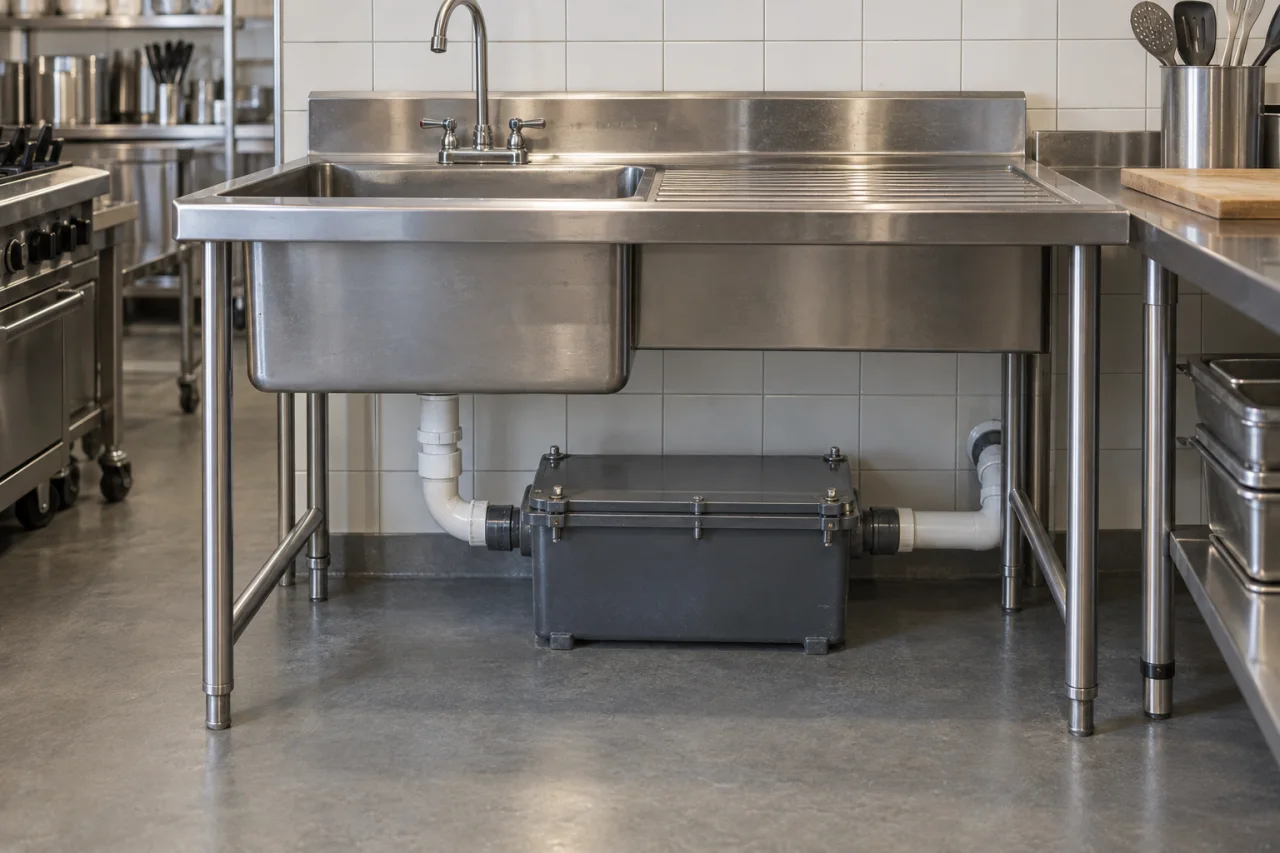
Grease Trap and Interceptor Maintenance for Food-Service Properties
A practical grease-control plan connects kitchen habits, equipment instructions, utility requirements and useful records—before slow drainage becomes a backup.
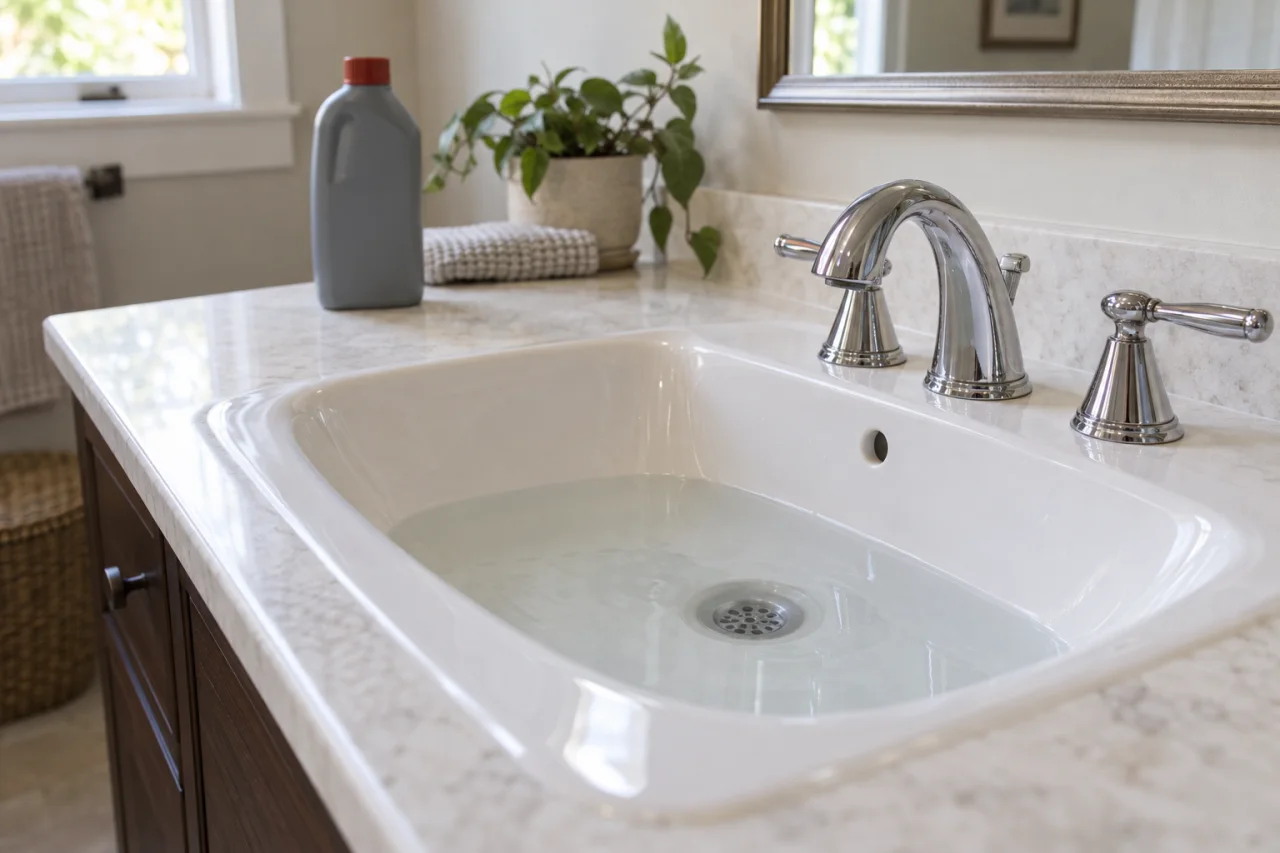
Should You Use Chemical Drain Cleaner on a Slow Drain?
Chemical cleaner is not a diagnosis for a slow drain. Learn the label limits, safer initial checks and essential information to share if you have already used a product.
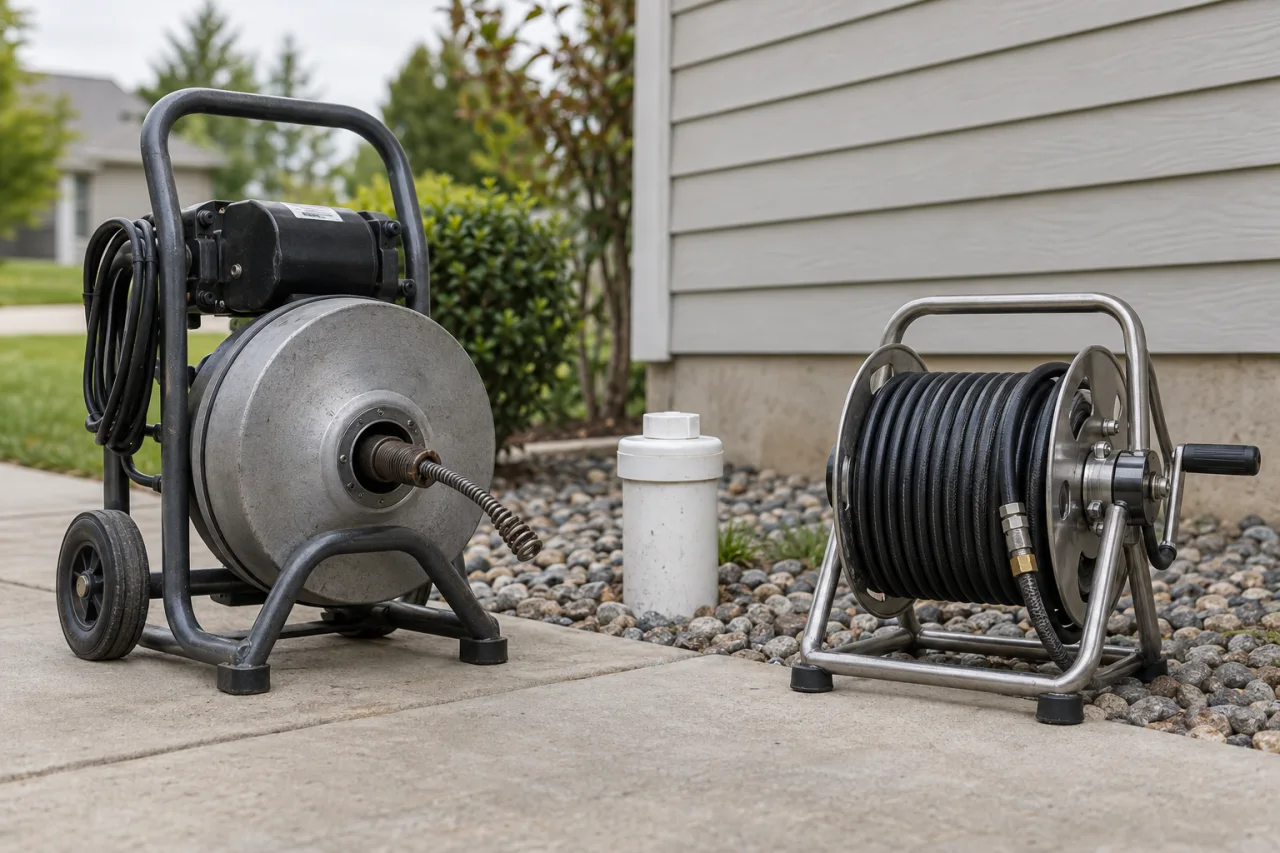
Drain Snaking vs. High Pressure Drain Cleaning: Which Fits the Problem?
A drain that flows again is not necessarily fully cleaned. Compare cable cleaning, cutting attachments, and water jetting—and learn why pipe condition matters more than pressure alone.